
Chosen theme: Breathing Exercises for Inner Peace. Welcome to a gentle corner of the internet where each inhale softens the noise and every exhale makes room for clarity. Settle in, breathe with us, and discover small, steady practices that help your mind, body, and heart rest together. Share your journey below and subscribe for new weekly breathing rituals.
The Calm Science Behind Your Breath
Slow, steady breathing activates the vagus nerve, nudging your body toward the parasympathetic state where rest and restoration happen. Lengthening the exhale lowers heart rate and signals safety. Over time, this trains your system to shift from overwhelm to inner peace more quickly, even during daily stress.
The Calm Science Behind Your Breath
Inner peace grows as you gently expand your tolerance to carbon dioxide, which helps oxygen reach tissues more effectively. Calm breath holds and slow exhalations improve this balance. With practice, you experience fewer panicky sensations, clearer thinking, and a steadier, kinder presence in your own skin.
Start Here: Gentle Routines for Inner Peace
Sit comfortably with a tall, relaxed spine. Inhale for five, exhale for five, and repeat for five minutes. Set an intention like, “I move through today with ease.” A reader wrote that after two weeks, her barista noticed she seemed calmer. Small rituals spark big changes toward inner peace.
Box Breathing, Step by Step
Trace an imaginary square: inhale four, hold four, exhale four, hold four. Move smoothly, never forcing. If four feels tight, try three. Visualize turning each corner with grace. After several rounds, notice how inner peace rises quietly, like twilight settling, steady and unhurried within your chest.
Coherent Breathing for Gentle Harmony
Aim for five to six breaths per minute—inhale five seconds, exhale five seconds. Add a soft hum on exhale to feel soothing vibration through the ribs. Many people report clearer focus and mood steadiness. It is an elegant pathway to inner peace: light, rhythmic, and surprisingly nourishing.
Alternate Nostril Breathing for Centering
Use your right hand to close one nostril, inhale through the other, switch, and exhale. Continue alternating with patience. Keep the breath smooth and comfortable. This practice can balance attention and quiet looping thoughts, helping inner peace gather like warm sunlight in a still morning room.
Crafting Your Space and Posture
Posture That Lets Peace Flow
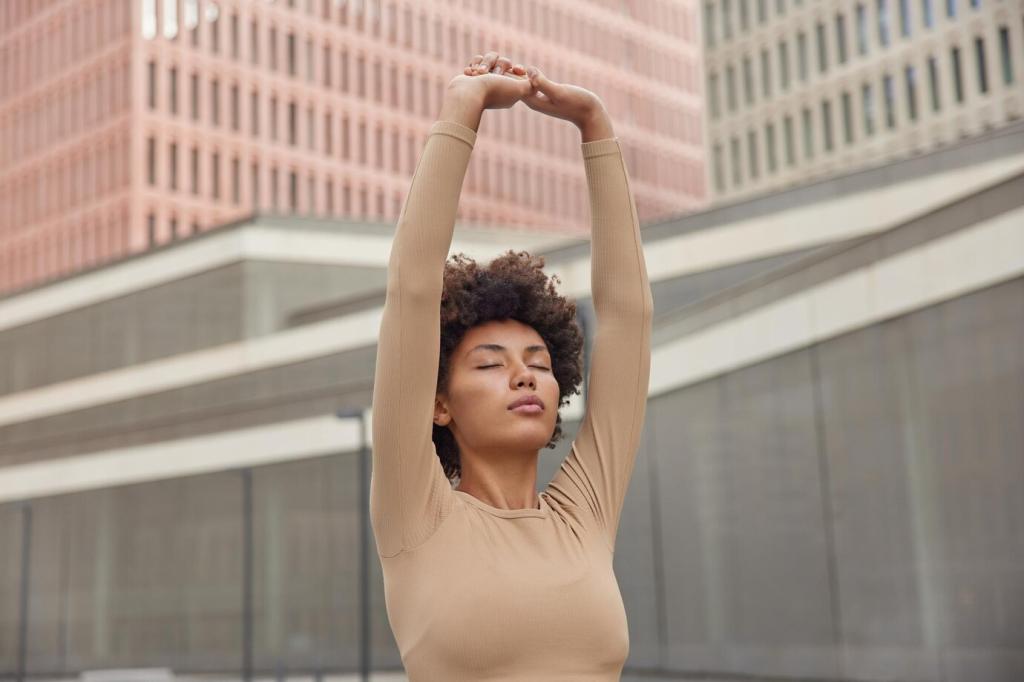
Stack your ribs over your pelvis, soften your jaw, and let the belly expand naturally on the inhale. Imagine a string lifting the crown of your head. Keep shoulders heavy, not tense. If you feel lightheaded, pause and breathe normally. Inner peace grows best in a relaxed, spacious body.

A Space That Invites Quiet
Choose a cozy corner with soft light, a plant, maybe a cushion. Keep a simple timer nearby. Your space does not need to be perfect; it just needs to feel safe. Over time, the room itself begins to feel like a cue for inner peace the moment you sit down.

Sensory Anchors That Guide Attention
Hold a smooth stone, light a gentle candle, or listen to low ambient music while breathing. A teacher I know keeps a tiny cedar chip on her desk; one inhale becomes an instant reset. These anchors help attention stay kind and steady, and inner peace arrives with less effort.
Weaving Breathing Into Daily Life
Micro-Practices for the Commute
At each red light, lengthen your exhale. On a train platform, breathe slowly and watch your shoulders drop. Never close your eyes while driving, and keep changes gentle. These tiny cues turn ordinary minutes into practice, and a calmer commute becomes a bridge to inner peace.
Breathing in Conversations and Meetings
Before responding, take three quiet breaths with longer exhales. Feel the pause clear space between trigger and choice. This single habit lowers reactivity, deepens listening, and opens warmth. The conversation softens, and inner peace stays present—even when opinions differ or deadlines press against your patience.
Pairing Breath with Movement
During a walk, inhale for three steps, exhale for five. While stretching, let exhales ease you deeper without strain. Coordinating breath and motion steadies nerves and calms racing thoughts. Over days, the body memorizes the rhythm, and inner peace becomes your natural pace, both moving and still.
Tracking Progress and Staying Motivated
Each session, note your mood from one to ten, the technique used, and a few words about triggers or relief. Review weekly to spot what nourishes inner peace most. Share insights in the comments so others learn from you, and together we refine practices that truly help.